









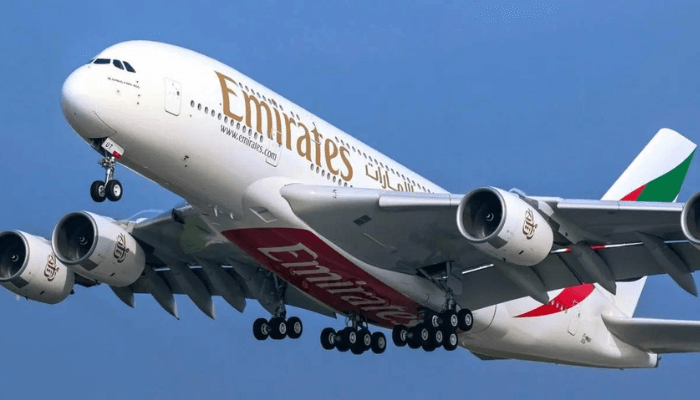
Travel agents in Nigeria report a slowdown in ticket bookings for Emirates flights due to the airline’s dollar-based charges and the stringent visa policies implemented by the United Arab Emirates (UAE). Emirates recently announced the resumption of its services in Nigeria starting October 1, after a two-year suspension. Despite the resumption, bookings have been affected by these financial and regulatory hurdles.
While Emirates offers competitive fares in dollars, the cost of converting naira to purchase tickets has proven to be a challenge for many travelers. Susan Akporaiye, managing director of Topaz Travels and Tours, noted that the dollarized ticket prices and strict visa requirements are hampering sales. She explained that although Emirates previously required visa applicants to purchase their tickets through the airline, this rule has been relaxed. However, the impact of dollar-based pricing remains a barrier.
Additionally, the absence of Emirates flights from Abuja is another factor contributing to the slow bookings. Akporaiye highlighted that travelers from Abuja and northern Nigeria are at a disadvantage, further affecting sales.
To address the situation, the UAE has introduced stop-over visas of 48, 72, and 96 hours for Nigerians holding UK, USA, and Canadian visas. These stop-over visas, which require minimal documentation, aim to encourage tourism by making travel to Dubai easier for certain Nigerian travelers.
Despite these efforts, Nigerian passport holders still face stringent requirements, including proof of a six-month bank statement with a minimum balance of $10,000 before applying for a UAE visa. Additionally, applicants must present round-trip flight tickets, proof of hotel bookings, and obtain a Document Verification Number (DVN).
Bernard Bankole, CEO of Finchglow Holdings, believes that many Nigerians remain skeptical about Emirates’ return, citing several previous announcements of flight resumptions that did not materialize. He noted that travelers have since shifted to other airlines, such as Ethiopian Airlines, Egypt Air, and Rwanda Air, for flights connecting to Dubai.
Emirates, known for operating 14 weekly flights into Lagos with an average of 9,800 passengers per week, remains patient, confident in the strength of its brand. However, the airline may need to reconsider its pricing strategy and work with the UAE government to ease visa restrictions if it is to regain its market share in Nigeria.